Osteoarthritis (OA), also known as degenerative joint disease (DJD), is the most common form of arthritis.[1] It can be classified into two categories: primary osteoarthritis and secondary osteoarthritis. OA usuallly presents with joint pain and loss of function; however, the disease is clinically very variable and can present merely as an asymptomatic incidental finding to a devastating, permanently disabling disorder.[2]
Pathophysiology
In normal joints hyaline cartilage covers the end of each bone. Hyaline cartilage provides a smooth, gliding surface for joint motion and acts as a cushion between the bones. In OA, the cartilage breaks down, causing pain, swelling and problems moving the joint. As OA worsens over time, bones may break down and develop growths called spurs. Bits of bone or cartilage may flake off and float around in the joint. In the body, an inflammatory process occurs and cytokines and enzymes develop, furtherer damaging the cartilage. In the final stages of OA, the cartilage wears away and bone rubs against bone leading to joint damage and more pain.
Osteoarthritis: "A group of overlapping distinct diseases, which may have different etiologies but with similar biologic, morphologic, and clinical outcomes. The disease processes not only affect the articular cartilage, but involve the entire joint, including the subchondral bone, ligaments, capsule, synovial membrane, and periarticular muscles. Ultimately, the articular cartilage degenerates with fibrillation, fissures, ulceration, and full thickness loss of the joint surface."
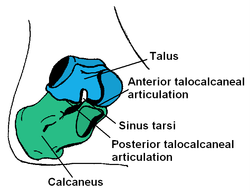
Hind Foot Arthritis
Is a type of arthritis which affects the subtalar joint and or the ankle jo,int.
The condition is characterised by pain in the hindfoot area, which can be aggravated by walking, especially on an uneven surface, and standing. The specific location of the pain is the level of the hindfoot which is just below the outside of the ankle
Who to refer, who not to refer, how to refer
Who to Refer
Those who have failed Primary care Management
Urgent Referral Criteria
Diabetic Charcot
Who Not to Refer
Those who have not tried Primary Care Management
Additional Info
99% of these will go to Podiatry – refer to them unless they have had input from them already
Unlikely to operate BMI >40
Imaging
WB Ankle Xray (Ideally < 1yr old)
How to refer
We accept referrals through SCI gateway for those who are based in Scotland.
We also accept e referrals through the below email address using the attached form for those who are based just on the other side of the border.


 Borders Ref Help Toolkit